
Exploring the psychological triggers behind gambling addiction
January 13, 2026Online gaming or traditional casinos Which offers the ultimate thrill
January 13, 2026Exploring the historical journey of casinos From ancient games to modern gambling hubs
The Origins of Gambling
The history of casinos can be traced back to ancient civilizations, where various forms of gambling were prevalent. Archaeological findings suggest that dice were used in games of chance as far back as 3000 BCE in Mesopotamia. Similarly, the ancient Chinese played games involving tiles, which are considered precursors to modern gambling activities. These early games were not merely for entertainment; they often held cultural significance, serving as a means to connect communities through shared experiences. Today, you can even find the best online casinos that pay homage to this rich heritage.
As societies evolved, so did the complexity of these games. In ancient Rome, betting on gladiatorial contests became popular, showcasing a blend of sport and gambling that captivated audiences. This laid the groundwork for the development of more structured forms of gambling, eventually leading to the establishment of official gambling houses in various cultures around the world.
The Rise of Gaming Houses in Europe
By the 17th century, gambling houses began to emerge in Europe, with the first known casino, Ridotto, established in Venice in 1638. This venue offered a regulated environment for card games, attracting the elite and reflecting a shift towards organized gambling. The concept of a casino as a social space where individuals could gather to gamble gained traction, setting the stage for future developments.
Throughout the following centuries, the popularity of casinos expanded across Europe. In France, the advent of games like roulette and baccarat further fueled the casino culture. The glamour and allure of these establishments drew visitors from all over, transforming cities like Monte Carlo into gambling meccas. This period marked a significant transition, as gambling became intertwined with high society and luxury, paving the way for modern casinos.
The American Casino Boom
The concept of casinos crossed the Atlantic in the 19th century, with the first American casino opening in New Orleans in the early 1800s. However, it wasn’t until the mid-20th century that casinos began to flourish in the United States, particularly in Las Vegas. The legalization of gambling in Nevada in 1931 marked a turning point, leading to the rapid growth of lavish casinos that offered a plethora of games and entertainment options.
Las Vegas evolved into the ultimate gambling destination, with iconic venues like The Flamingo and The Sands setting new standards for luxury and excitement. The city attracted millions of visitors each year, transforming the gambling industry into a significant economic force. This boom not only contributed to local economies but also redefined perceptions of gambling, leading to a broader acceptance of casinos across the nation.
The Modern Casino Experience
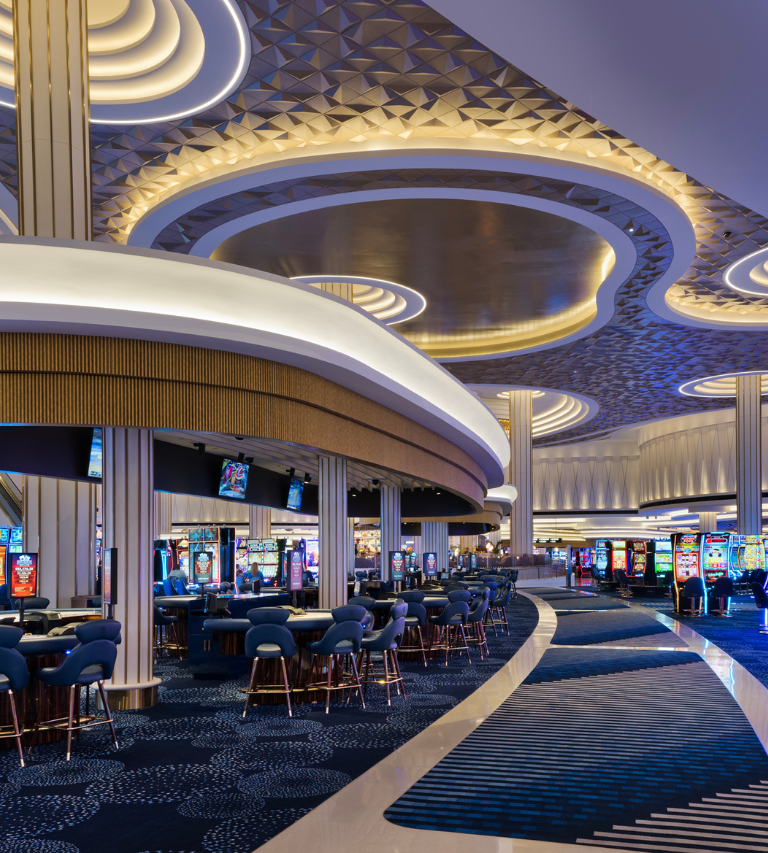
Today’s casinos offer a far more sophisticated experience than their historical counterparts. The introduction of technology has revolutionized gambling, with online casinos and mobile gaming becoming increasingly popular. Modern establishments combine traditional games with state-of-the-art technology, providing interactive experiences that appeal to a diverse audience.
Furthermore, the integration of entertainment, dining, and luxury accommodations has turned casinos into comprehensive resorts. Visitors are not merely gambling but enjoying a holistic experience that includes world-class performances, fine dining, and lavish amenities. This evolution reflects changing consumer preferences and has positioned casinos as multi-faceted entertainment venues rather than just places to gamble.

Ensuring a Secure Gambling Environment
In the digital age, the importance of ensuring secure user interactions has become paramount for casinos and online gaming platforms. Organizations have developed solutions to confirm user authenticity, helping to protect against automated traffic and spam. This focus on security enhances the overall user experience, fostering a safe environment for gambling.
By implementing robust verification processes, casinos can maintain their integrity and uphold the trust of their patrons. As the gambling landscape continues to evolve, prioritizing security will be essential in promoting responsible gambling practices and ensuring the sustainability of the industry.
